


– By Swill Mavua
The Peoples Democratic Party’s (PDP) decision to zone its 2027 presidential ticket to the South has significant implications for the party’s future and Nigeria’s political landscape. This move is seen as a way to promote fairness, inclusion, and federal character principles, given the unbroken years of Northern presidency under President Muhammadu Buhari. For some school of thought, this zoning makes no significant impact in the political calculation as the APC’s Buhari’s successor, Bola. Ahmed Tinubu, is of southern extraction. Howbeit, the PDP’s zoning decision has opened up the presidential ticket to all eligible southerners, potentially creating a competitive field of candidates.
However, the party’s internal crisis and recent defections, including those of governors, pose significant challenges to its ability to present a united front ahead of the 2027 elections. The endorsement of President Bola Tinubu by the Osun State PDP chapter adds another layer of complexity, especially given the party’s decision to zone its presidential ticket to the South. This development may lead to further divisions within the party.
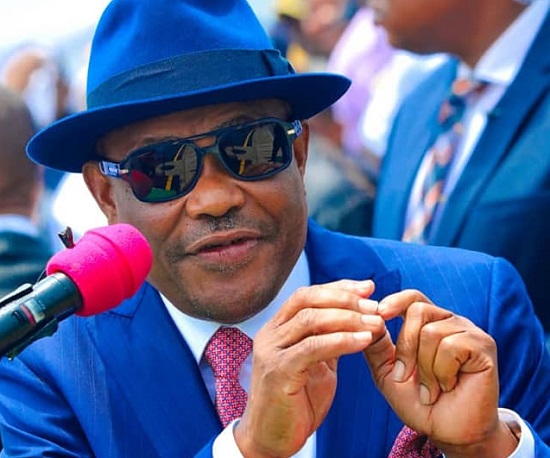
It must be noted that this is not the first time the PDP is zoning the presidency to the South. Preparatory to the 2023 elections, the party did zone the presidency to the South. But Abubakar Atiku, with his bag of money, came and with the then party exco broke its own rules. And that’s the basis of Nyesom Wike’s anti-party activities, and going ahead to work for Tinubu’s APC administration – the same party he once referred to as cancerous.
The PDP’s ability to reinvigorate itself as a formidable opposition party will depend on its capacity to resolve internal disputes, strengthen its organizational structure, and present a strong, acceptable candidate from the South. Stakeholders, including Minister of the Federal Capital Territory, Nyesom Wike, have emphasized the need for the party to respect its constitution and uphold the principles of equity and fairness in its decision-making processes. Perhaps, here the Peter Obi factor may come to play. It’s believed in some quarters that the PDP is ready to offer the presidential slot to Obi should he be ready to come back to the party. Given his popularity and the strong youthful followership as seen in the Obidient movement, this could be a masterful reengineering for the party.
The implications of the PDP’s zoning decision can be further explored through increased competition. With the presidential ticket zoned to the South, a competitive field of candidates may emerge, potentially strengthening the party’s chances in the 2027 elections. This competition could lead to a more robust selection process, where candidates are compelled to articulate their visions, policies, and strategies for addressing Nigeria’s challenges. Increased competition might also foster innovation within the party, as candidates seek to differentiate themselves and appeal to a broad spectrum of voters.
The zoning decision may exacerbate existing internal conflicts, particularly if some members feel marginalized or excluded from the process. The history of party defections, including those of prominent figures like Nyesom Wike, highlights the challenges the PDP faces in maintaining unity. Managing these internal dynamics will be crucial for the party’s success, as unresolved conflicts could undermine its ability to present a united front against the ruling APC.
A strong, acceptable candidate from the South could help reinvigorate the party and improve its chances of challenging the APC in 2027. The candidate’s ability to resonate with voters, articulate a compelling vision for Nigeria, and effectively communicate their policies will be key to the party’s success. Additionally, the candidate’s leadership style and ability to unite the party’s various factions could play a significant role in determining the party’s electoral prospects.
By promoting fairness, inclusion, and federal character principles, the PDP’s zoning decision may contribute to promoting national unity and reducing regional tensions. The decision to zone the presidency to the South could be seen as an attempt to give voice to the region’s aspirations and concerns, potentially fostering a sense of belonging among southern voters. If managed well, this approach could help build broader support for the party across different regions of Nigeria.
The PDP faces both challenges and opportunities in the wake of its zoning decision. On one hand, the party must navigate its internal divisions and present a united front. On the other hand, the zoning decision offers an opportunity for the party to reconnect with its southern base and potentially attract new supporters. How the PDP manages these dynamics will be crucial in determining its success in the 2027 elections.
The PDP’s decision to zone its presidential ticket to the South has significant implications for the party’s future and Nigeria’s political landscape. While the decision presents opportunities for increased competition and promoting national unity, it also poses challenges in terms of managing internal conflicts and presenting a united front. The party’s ability to navigate these dynamics will be key to its success in the 2027 elections.











Leave a Reply